


It is believed that water fittings, which are used in almost every environment where people exist, from public places to offices, from factories to homes, provide us with water and thus enable us to reach cleanliness, health and hygiene. In the last few decades, as a result of the development of technology and therefore analysis possibilities, some details about water fittings, their use and effects on health have begun to emerge and new standards or regulations have been prepared and put into effect in some countries regarding these aspects. Although water receives various pollutants from all the components it comes into contact with (pumps, pipes, valves, etc.) along the transmission lines from the source it comes from (dam or groundwater) to our areas of use, the subject of our article will only be the polluting factors originating from water fittings. Especially in the early 2000s, the entry of Chinese-made water fittings into the markets of western countries (EU and USA) with very cheap prices created an instant shock effect in markets. These products coming from the Far East were very cheap and were instantly accepted in the markets due to their prices. However, the visible reasons for the cheapness began to emerge in a short time. The products were quickly deteriorating and losing both their aesthetic and functional features.
Yes, the products were cheap because not only the labor cost was reduced, but also second and third quality raw materials were used to make the products cheaper. This situation naturally led to unfair competition in the EU, US and Turkish markets because the companies of the countries had difficulty competing with these cheap products coming from the Far East.
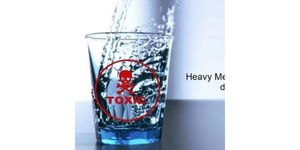
This new situation led to the emergence of some initiatives on the basis of NGOs and governments. We see that the preparation and implementation of various regulations, standards or laws in the EU and US in order to prevent the entry of unhealthy products into their countries and their use by consumers and to protect the country's industries against unfair competition intensified in this period, namely in the early 2000s.
First, let's take a brief look at the materials and parts that make up the water sanitary fittings and see what kind of harmful effects can arise from these materials and parts:
Brass material : Used in the production of body, nut, nipple, spout, etc. It is essentially a copper-zinc alloy. Depending on the production method, it contains 56-64% Cu; 34-42% Zn. It can also contain up to 3.5% Pb depending on the production method. In case of contact with water, it can release Zn and Pb into the water depending on various factors.
Welding / soldering alloy : These are alloys with different compositions used to join various brass parts of the water fitting. It can contain heavy metals, especially cadmium (Cd) and lead (Pb), and these heavy metals can be dissolved and passed into the water in contact with water in certain circumstances.
Plastic material : It is usually used as the inner body or inner nipple. Or the parts that make up the opening and closing mechanism are produced from various plastic materials. Depending on the type of plastic used and due to the mold release, various chemicals used during injection operation, it can cause the release of various organic and inorganic materials as a result of contact with water.
Rubber material : It is used to provide sealing at various connection and junction points. Depending on the type of rubber used and the mold release chemicals used during molding, it may cause the release of various organic and inorganic materials as a result of contact with water.
Grease : It is used in opening and closing mechanisms or to facilitate movement on moving rubber parts. It may cause the release of various organic and inorganic materials as a result of contact with water.
Surface coating : : It may be in the form of metallic or organic coating. It is applied to the outer surfaces of the parts forming the sanitary fittings in order to give a decorative appearance. The penetration of the coating into the inner surfaces and the contact of these coated inner surfaces with water may cause the release ofsome heavy metallic and organic materials into the water.
We see the first applications in this regard in the USA. The NSF 61 standard, published in the 1960s and aimed at the health of drinking water, can be considered as one of the pioneers in this field. Especially between the years 1997-2006, various national and international laws, regulations or standards were put into effect in both the USA and various EU countries in order to protect public health in response to the Far East products epidemic that we briefly mentioned above.
Some of the standards or regulations that are widely questioned and even mandatory in some countries during the international trade of water fittings today are as follows :

These NSF, ACS, WRAS and KTW are quite similar in content. Essentially, these standards/regulations are similar to the specifications published by WHO (World Health Organization) regarding drinking water quality, but they contain some differences in terms of limit values and test methods. Accordingly, the quality of drinking water is examined under three main factors :
Physical conditions : There are limit values determined by both WHO specifications and specified national standards regarding the
Chemical and biological conditions : Features such as
of drinking water are subject to strict limits both in WHO and specified standards. Among these, especially heavy metals such as lead (Pb), mercury (Hg), nickel (Ni), arsenic (As), cadmium (Cd), copper (Cu), chromium (Cr), antimony (Sb) emerge as the leading harmful components. The heavy metals mentioned here can originate either from the brass alloy itself, or from the welding or soldering alloys used to join the parts, or from the applied coating processes.
Similarly, nitrates (NO3), nitrites (NO2), sulfates (SO4), ammonium (NH4) and chloride (Cl2) components originating from the production processes of the water fitting or from the plastic and rubber parts inside are among the leading prohibited components. In the last 30-40 years, especially as a result of the widespread use of agricultural chemicals, the rates of pesticide residues in surface and underground waters have increased, and these components have been included among the components subject to restrictions in almost all specifications. Similarly, various chemicals used during the production and storage of various plastic and rubber parts are also among the pesticides, and the amount of pesticides passing from the fitting parts to the water is examined during the tests of the water fitting.
All the organic and inorganic pollutants mentioned above occur at various stages of the production of the water sanitary fitting and can pass into the water from the body, pipe, nipple, gasket, cartridge, flexible hose, etc. During the tests conducted according to these standards, the inner surfaces of the water fitting are first washed with water of certain properties, then the water fitting is filled with reference water whose component amounts are determined in advance and subjected to certain test periods. At the end of the test period, the water taken from the water fitting is analyzed and the presence and amount of the above-mentioned elements and or compounds are investigated.
Another of the harmful effects of drinking water on health is caused by zinc (Zn) dissolving from the brass parts forming the water sanitary fitting and passing into the water. The dissolution of zinc occurs as a result of a different process than the events mentioned above. Depending on the high water hardness, pH level of the water or the amount of chlorine (Cl) in the water, the zinc (Zn) that forms the brass alloy separates from the alloy and forms zinc chloride (ZnCl2) and mixes into the water. In Scandinavian countries, Australia, Canada, etc., the parameter called dezincification resistance (DZR) is used to determine the quality of drinking water and this method limits the amount of zinc (Zn) in the water.
Another standard used in Scandinavian countries is the NKB (Nordic Committee for Building Regulations) standard. With this standard, the amounts of heavy metals (Cd, Ni, Pb) that remain as residues in various processes of production, especially on the inner surfaces of the water fittings, are analyzed with special tests and checked to see if they exceed certain limits.
The Drinking Water Directive, which is valid in all EU countries, determines the limit values of pollutants in drinking water and these tests and analyzes.


